The welded-roof, six-cylinder super-914 that Porsche built eleven times and never sold to the public, and how the D'Ingianni 916 recreates it.
01The super-914
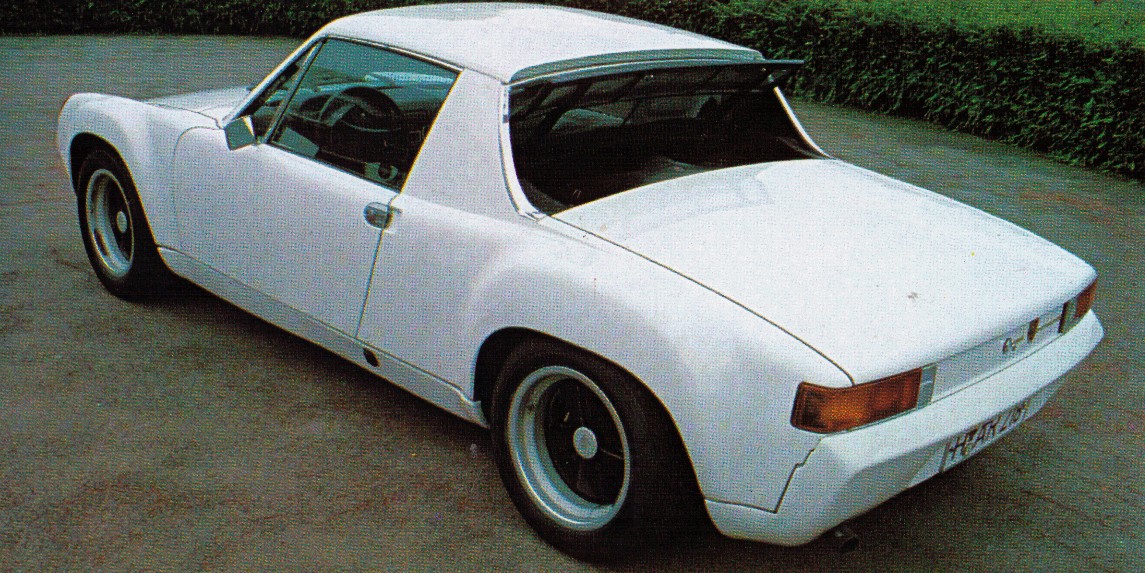
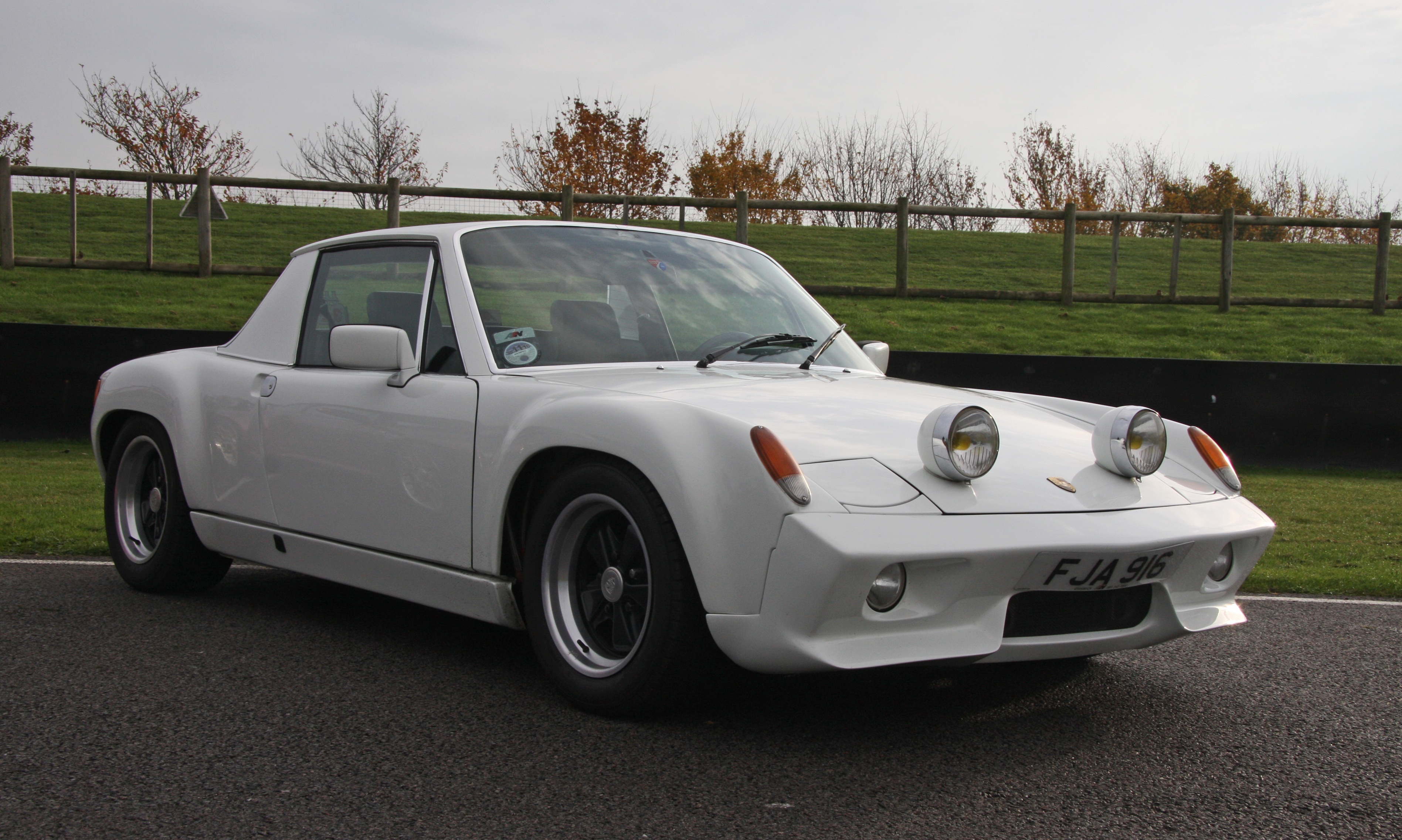
The 916 was Porsche's plan for a premium, six-cylinder version of the mid-engined 914: a welded steel roof, wide steel flares, 911 S running gear and a price well above a 911 S.[1][4][5]
Porsche built eleven of them in 1971, using 911 S and Carrera RS-type engines of 190 PS and 210 PS, but the project was dropped shortly before its planned Paris Salon debut because the car was simply too expensive to produce.[1][2][4] Sources differ on some details, such as exact engine fit per car, production dates and how many cars went to the USA, so figures below are given as “about” where they disagree.
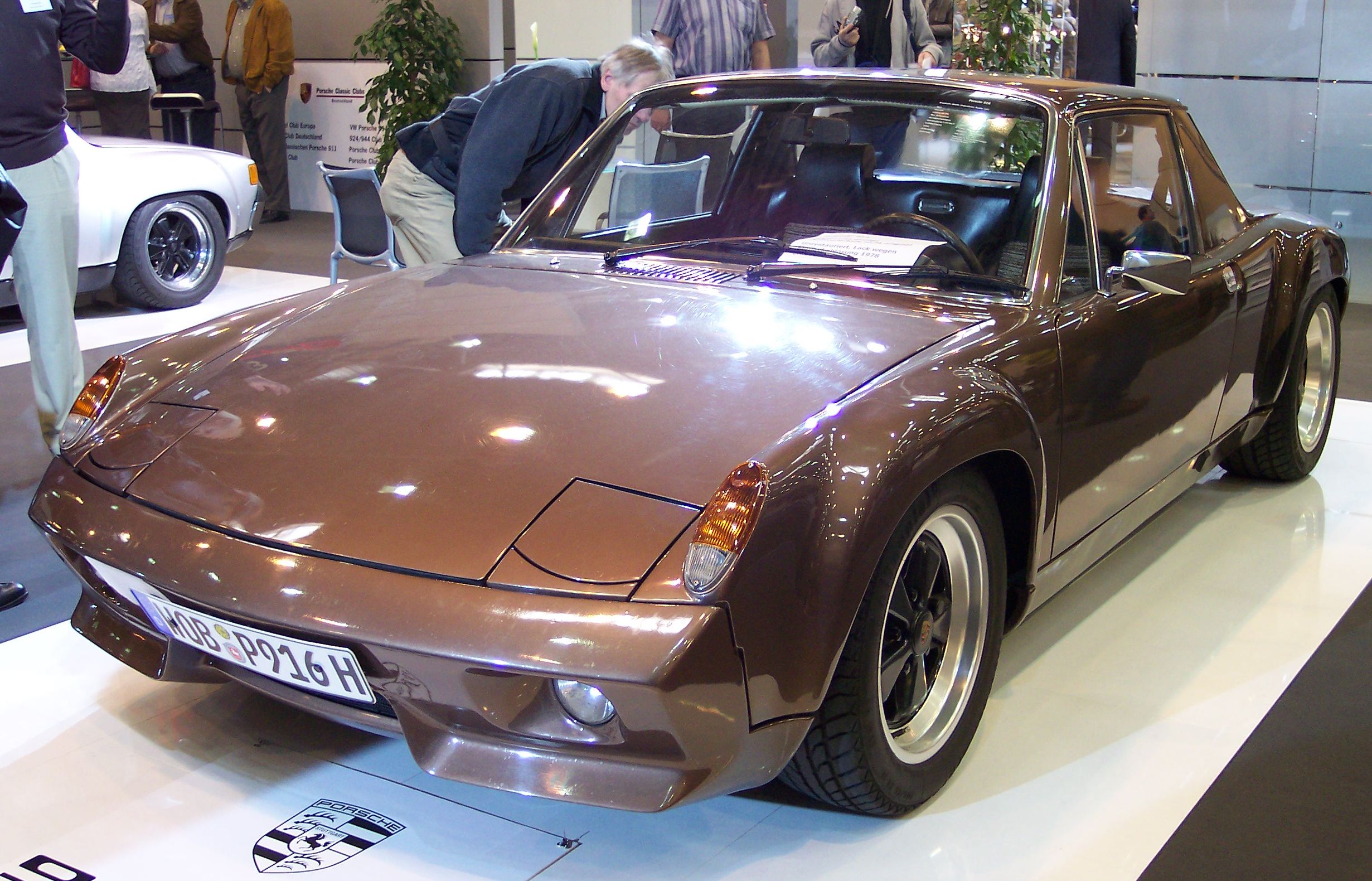
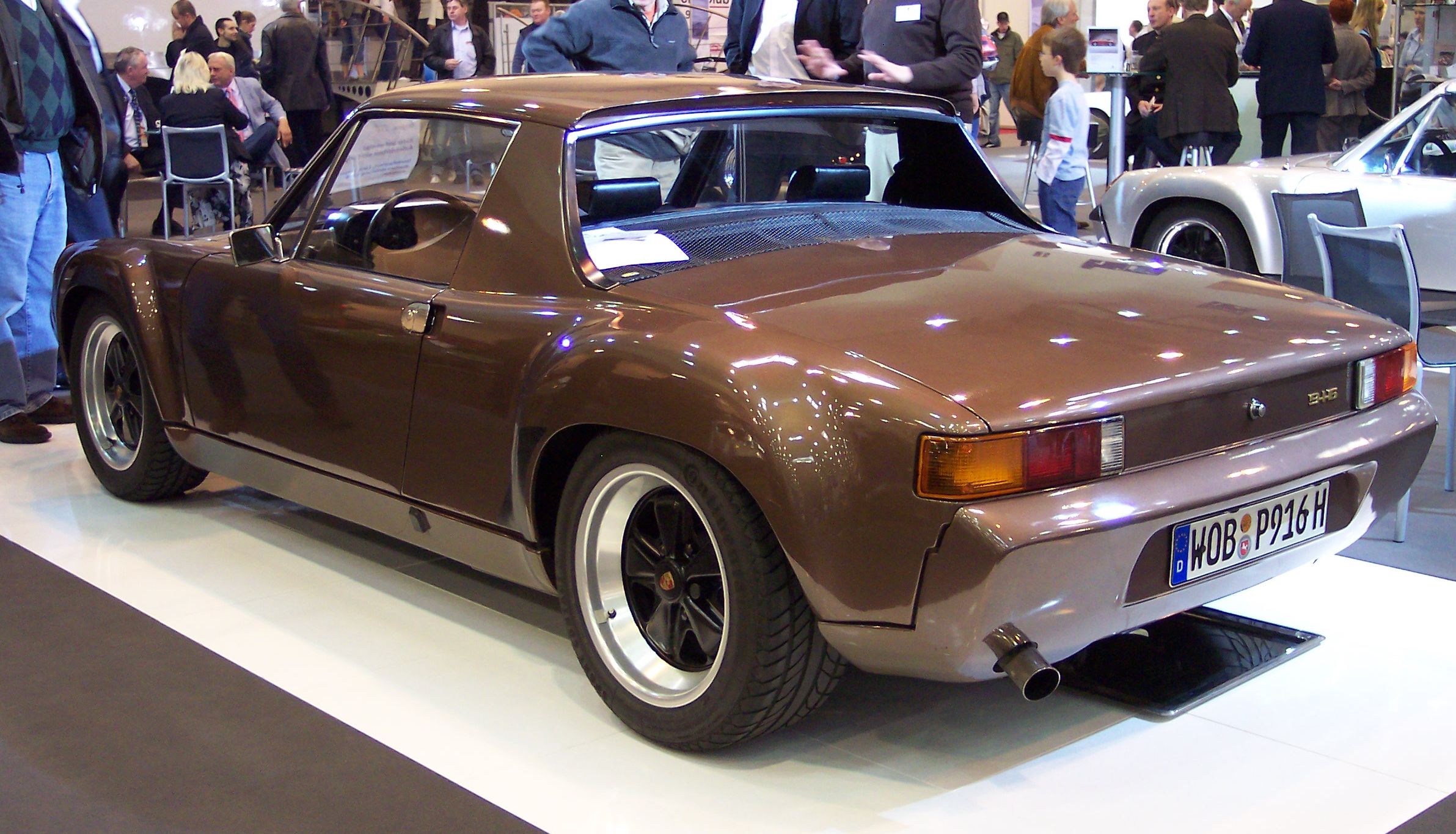
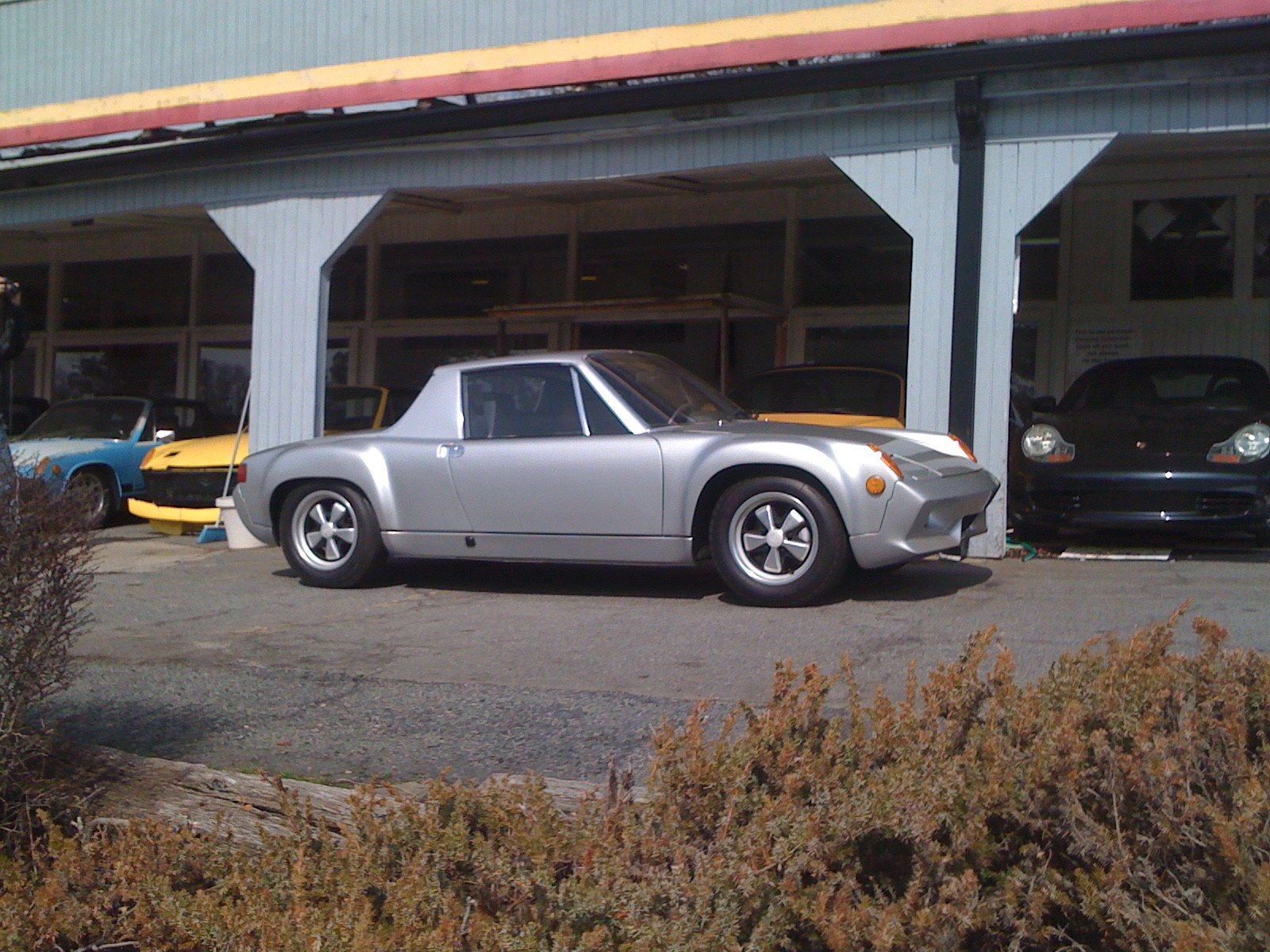
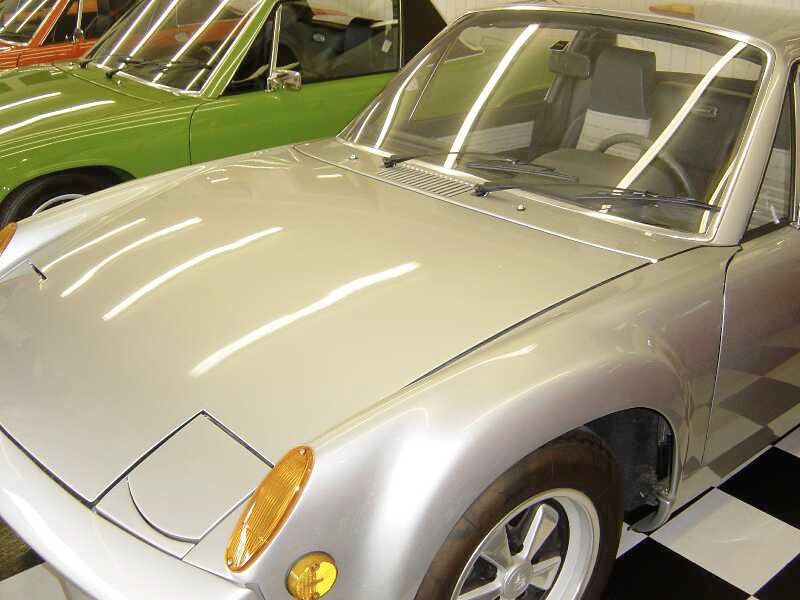
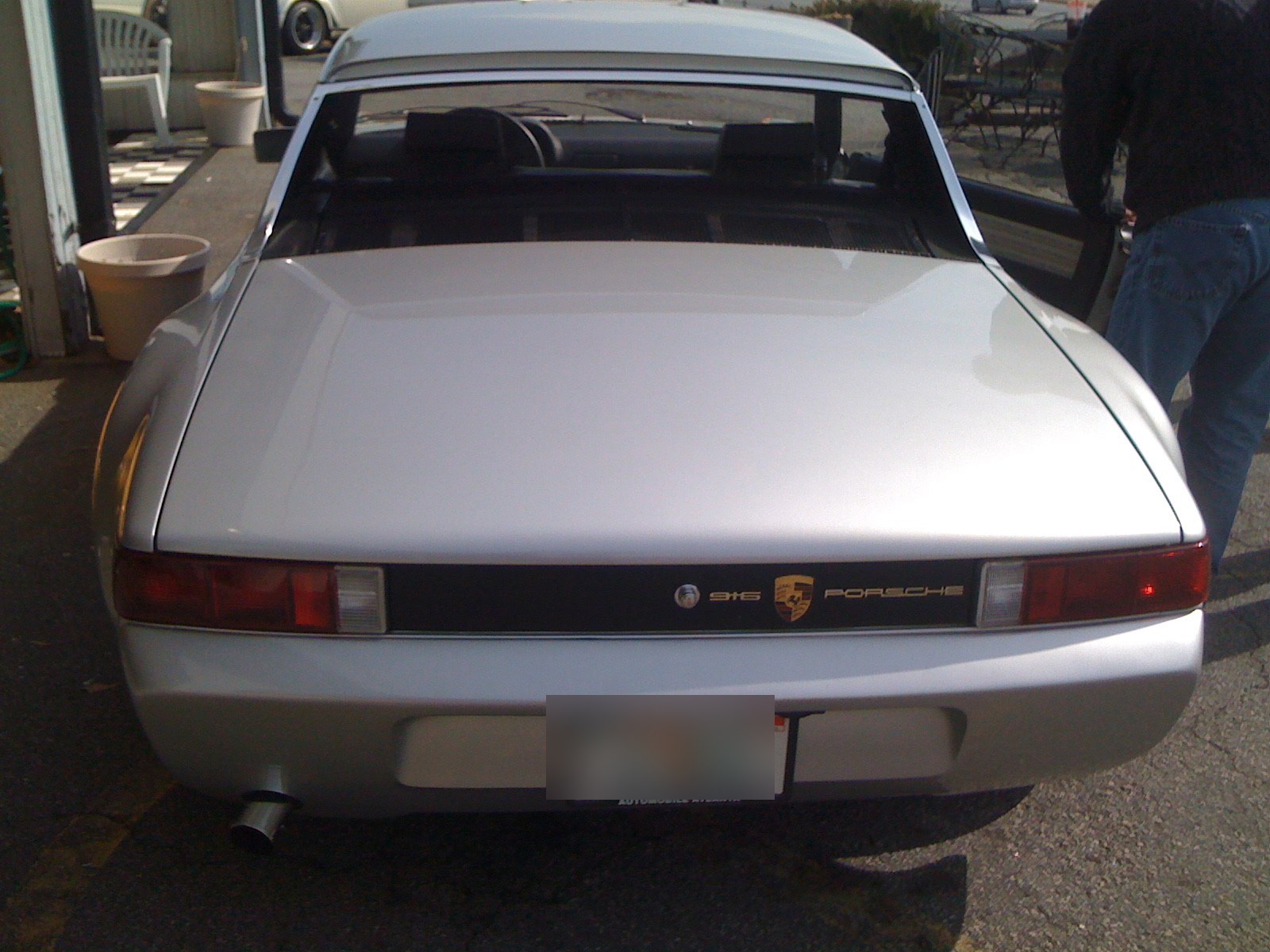
An original factory Porsche 916.
02Timeline
1969
The 914 arrives
The VW-Porsche 914 is shown at the Frankfurt IAA as Germany's first production mid-engined sports car, a joint project agreed between Ferry Porsche and Volkswagen's Heinrich Nordhoff. In the USA both the four-cylinder 914 and the six-cylinder 914/6 are sold as Porsches.[1]
1970
Racing pedigree
A 914/6 GT run by Sonauto wins the GT class at Le Mans and finishes sixth overall, and 914/6s take a triple victory at the Marathon de la Route.[1][4] The flared 914/6 GT is the visual template for the 916.[4][5]
8-cyl
A super-914 is planned
Two eight-cylinder 914 S cars built for Ferdinand Piëch and Ferry Porsche show the potential of the mid-engined chassis and give the impetus for the 916.[1][2] Porsche aims the 916 at the Ferrari Dino.[4]
1971
Eleven cars built
Porsche builds eleven 916s with 911 S and Carrera RS-derived six-cylinder engines of 190 and 210 PS.[1][2] Bodies come from Karmann and are modified by Baur with a welded steel roof, reinforcements and steel flares.[4][6] The first car, chassis 914 1 43 0195, becomes Ferdinand Piëch's company car and testbed, nicknamed “Brutus”.[5][6]
Oct 1971
Cancelled
The 916 is cancelled roughly two weeks before its planned debut at the Paris Salon: it is simply too expensive to build and sell.[2][4][5]
1972
The last cars
The remaining pre-production cars are completed into early 1972; chassis 0020 is finished on 2 February 1972.[6] Five cars are sold to Porsche management and friends[4], and cars also go to US dealers.[6]
2017–20
Rediscovered
Brutus re-appears at Amelia Island in 2017 after a three-year restoration and sells at Retromobile in 2019 for €953,600 (the Brutus story).[5] Chassis 0011, first owned by Louise Piëch, sells for $957,000 in 2020.[4] The Porsche Museum includes a 916 in its 2019 “50 years of the 914” special show.[1]
About DM 45,000[4][6], against about DM 30,000 for a 911 S[4]
Brutus, the first prototype, was later fitted with a larger racing-derived engine of about 2.9 liters; published power figures for it differ widely.[4][5] Air conditioning was fitted to the car supplied to Brumos.[3][5]
04The 11 Original Porsche 916s
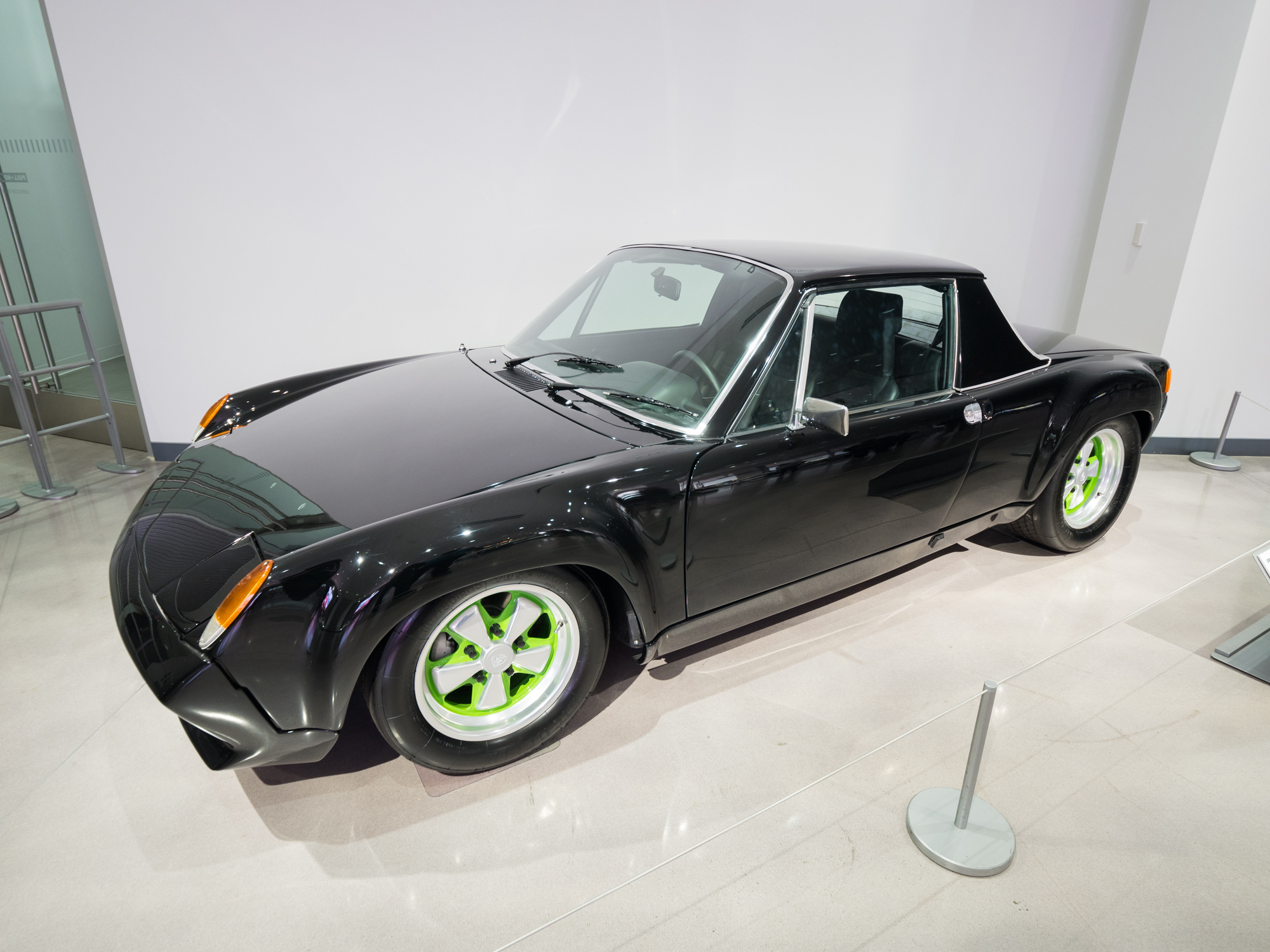
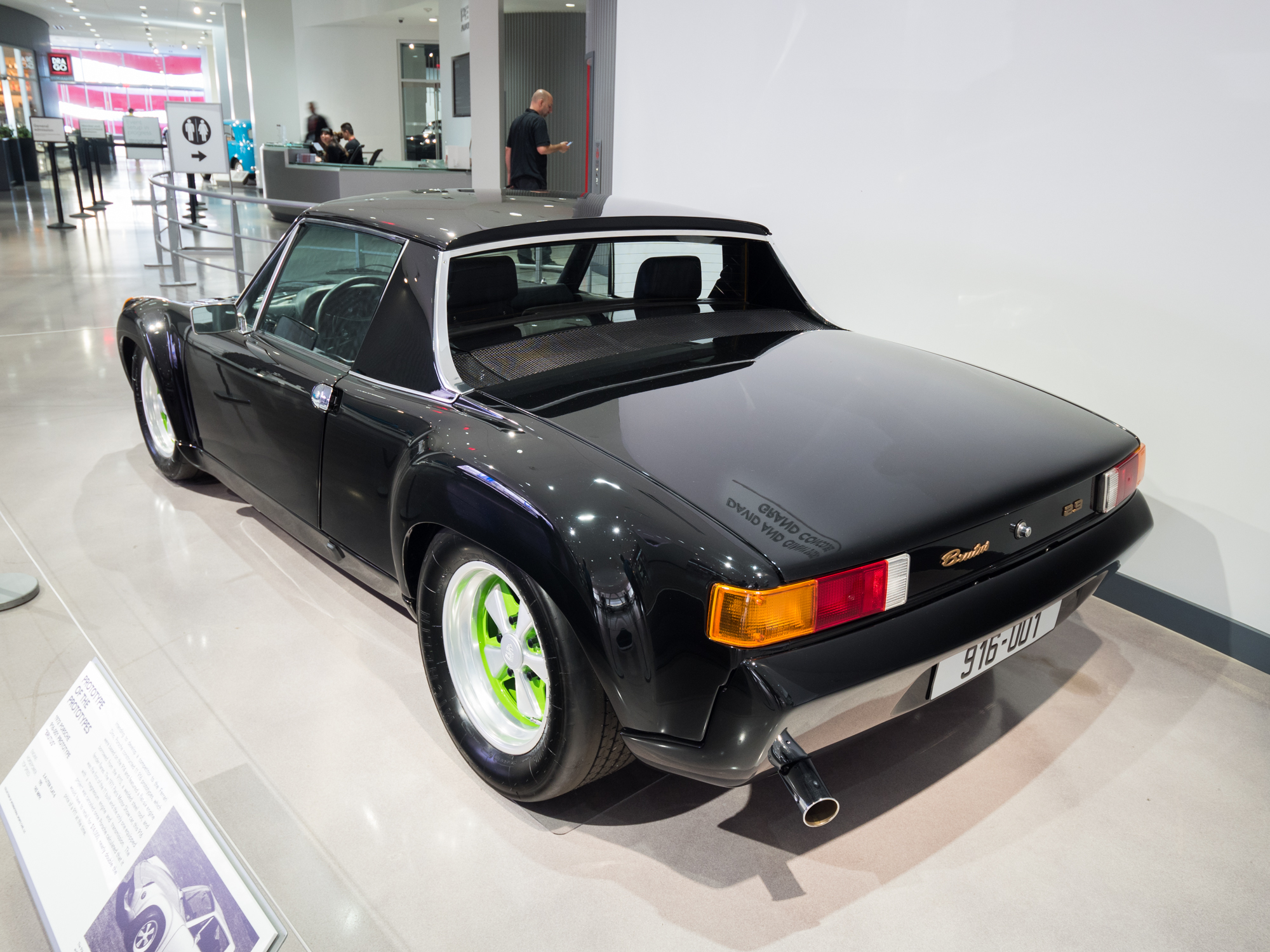
The first of the eleven was Brutus, chassis 914 1 43 0195: Ferdinand Piëch's black company car and test mule, and the only 916 with a racing engine.
The 11 Original Porsche 916s. The dates next to each original owner are the delivery or completion dates from our original research, corrected where a cited source differs. Locations are the latest we could find and may be out of date. Superscript numbers link to the sources in section 09. Ownership after a sale is often private, so this table names current owners only where a published source does.
Factory “Privatwagen” for Louise Piëch, chestnut leather with Paisley corduroy; delivered 23 July 1971 (this table previously said 9/23/71).[4] Later owners: Erna Götten (1973), Otis Chandler (1979), the Matsuda Collection in Japan, Kerry Morse (California) and Dr. Thomas Gruber (Vienna, 2008).[4] Restored by Dr. Georg Konradsheim, 2009–11; sold at RM Sotheby’s Monterey 2020 for $957,000. The buyer has not been reported.[4] featured in "VW & Porsche" Apr 1981[8] Photos: RM Sotheby’s ↗
914 2 33 0012
Chassis 914 2 33 0012
Silver Metallic
632 5002
Peter Gregg 8/24/71
USA (GA)
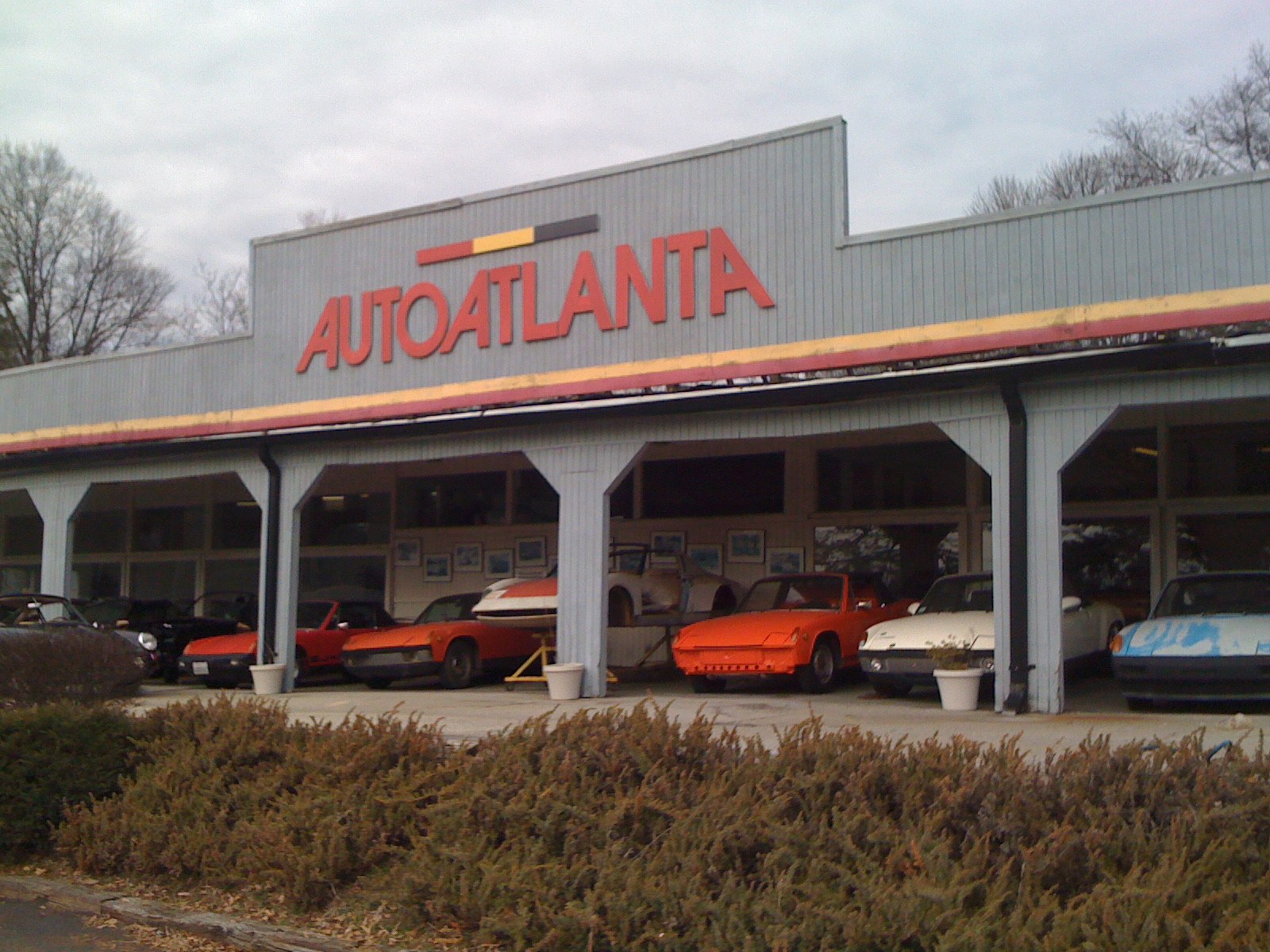
former owner William Hall current owner George Hussey, Automobile Atlanta, Marietta, GA (since Apr 1990) featured in "Road & Track" Feb 1972 featured in "Excellence" Jun 1994 Close-ups: A factory 916 up close ↓
Repainted black early in its life; one forum lists it the other way round (black, later green metallic).[10][13][16] Bought third-hand by Wolf Schulz-Tattenpach, who took it to his repair shop in the USA (reportedly San Francisco) in 1975, where it got US DOT approval; he later returned to Germany with the car.[16] Shown at Lohmar in 1999; may have had an engine change.[13] featured in "VW & Porsche" Aug 1987[8]
Fate disputed. One reader says the car was probably scrapped after several accidents.[12] An early club page says one 916 was destroyed in its first year and not rebuilt, but it does not give the chassis.[13] George Hussey says the damaged car was repaired, and RM Sotheby’s says all 916s are believed to survive.[14][4] We found no later sightings, sales or photos; the Stazak registry’s last record is 1971.[11] Engine 632 5021 is also listed for 0017, so one of the two entries is likely wrong.
We have not confirmed the first owner. Other lists give a private owner in Germany, possibly in Ludwigshafen.[8][9] featured in "Porsche Club Magazine" 1-1990[8]
Sold by Dr. Michael Piëch to Pericles Embiricos and registered in Switzerland on 5 June 1972. It later returned to Germany and was bought by a German collector in 1997.[17] Offered by Coys at Techno-Classica Essen on 10 April 2010.[17] Later fully restored and sold by Pyritz Classics, Frankfurt; the original psychedelic interior has been kept.[18] Shown at Retro Classics Stuttgart in 2014. In 2016 it was owned by a member of the German 914-6 Club.[15] The Stazak registry lists London, UK, in 2003.[11] Engine 632 5021 duplicates 0015’s. Photos: Coys / Classic Driver ↗
914 2 33 0018
Chassis 914 2 33 0018
Park Blue / dark blue, now Gemini Blue Metallic[8][15]
This table previously named Bill Story as first owner. We have not confirmed that: other lists give a private owner in Germany, and Excellence credits photos of chassis 0020 to the “Bill Story Collection”.[6][8][9] Repainted Gemini metallic early on; cork interior.[8][15] former owner Jerry Leonard[16] Lived in California for many years on plate “916 S” and was shown at Monterey in 1998.[11][15] Offered on eBay in April 2000, claimed at about 19,000 miles.[13] Later advertised in Hemmings and reportedly sold to Austria; seen in Austria in 2007.[15]
One reader says the car was delivered to Herr von Neumann. Excellence says one 916 went to dealer Johnny von Neumann in California, but neither source links him to a chassis.[12][6] Later fitted with a 3.2 Carrera engine.[9][16] Long restoration in the UK, reported nearing completion in 2021.[9][14] featured in "Classic & Sportscar" Sep 1982[8][12]
Completed on 2 Feb 1972 under production number 1310439, the seventh car finished.[6] By 1974 the first owner had painted it black with Gulf Orange trim and fitted a 2.7 RS engine.[6] Later owners: Andrew Swett Richman (1975) and a US Army Lt. Colonel (1976), who brought it to Georgia and later Florida.[6] Bare-metal restoration by Patrick Motorsports, Phoenix, back to silver with Day-Glo red; named best of the 914 group at the Werks Reunion Monterey in 2022.[6] Photos: Excellence ↗
Most of what is published about the individual cars comes from enthusiast research, auction catalogues and magazines, and the sources often disagree.[4][6][8][9][10] The biggest open question is chassis 0015, Gerd Porsche's silver car. It is reported crashed and probably scrapped, but RM Sotheby's believes all 916s survive and George Hussey says the damaged car was repaired.[4][12][13][14] Engine number 632 5021 is listed for both 0015 and 0017, so at least one of those entries is in error. Engine numbers can also have changed when cars were later fitted with 2.7 RS or 3.2 engines.[6][9][10]
05The Original 916s
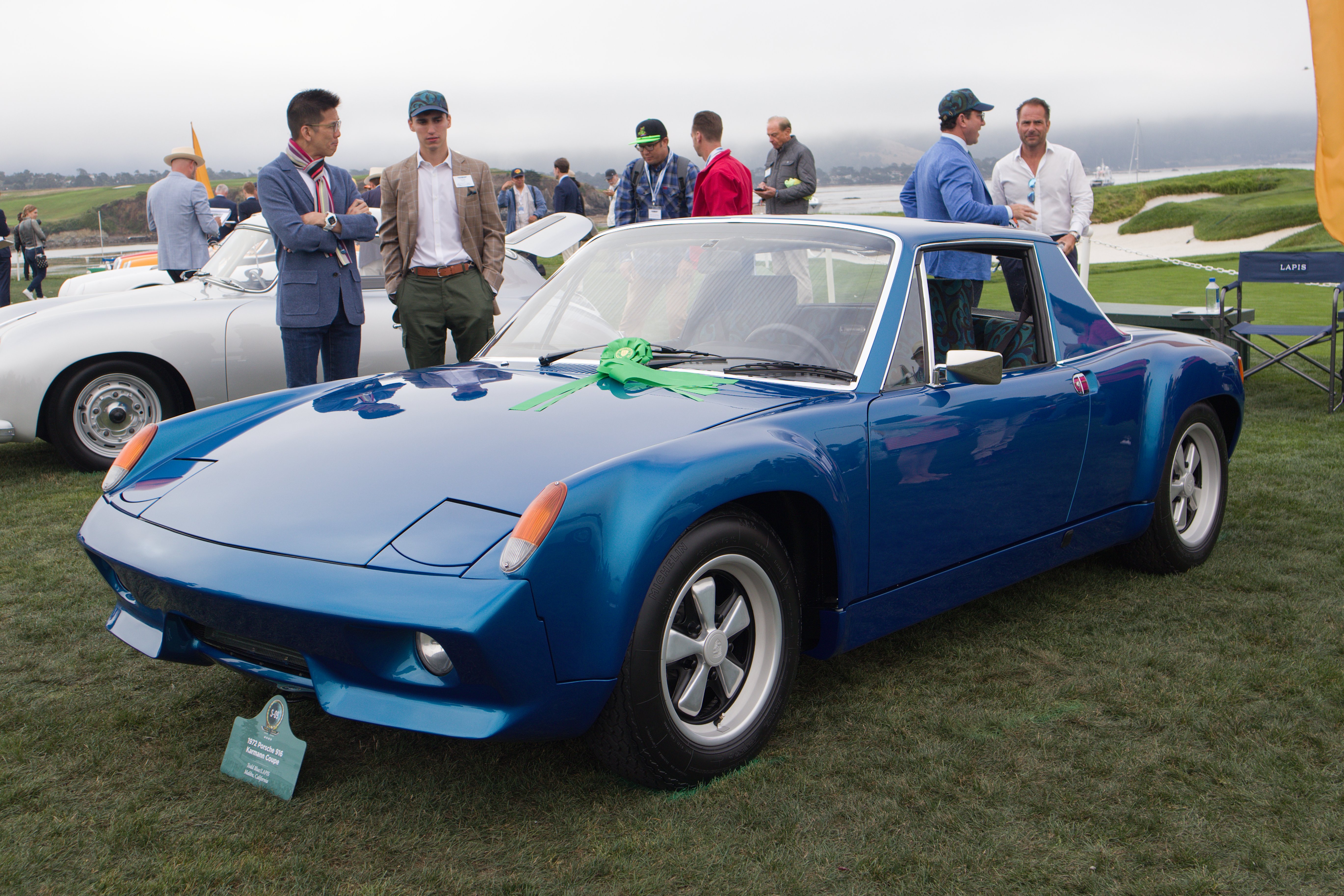
Factory Porsche 916s photographed at shows and concours. Brutus is identified by the “Brutus” script and 916-001 plate visible on the car. The other cars are captioned as they are identified on Wikimedia Commons, and we do not assign chassis numbers to them. Click any photo for the full-size original.
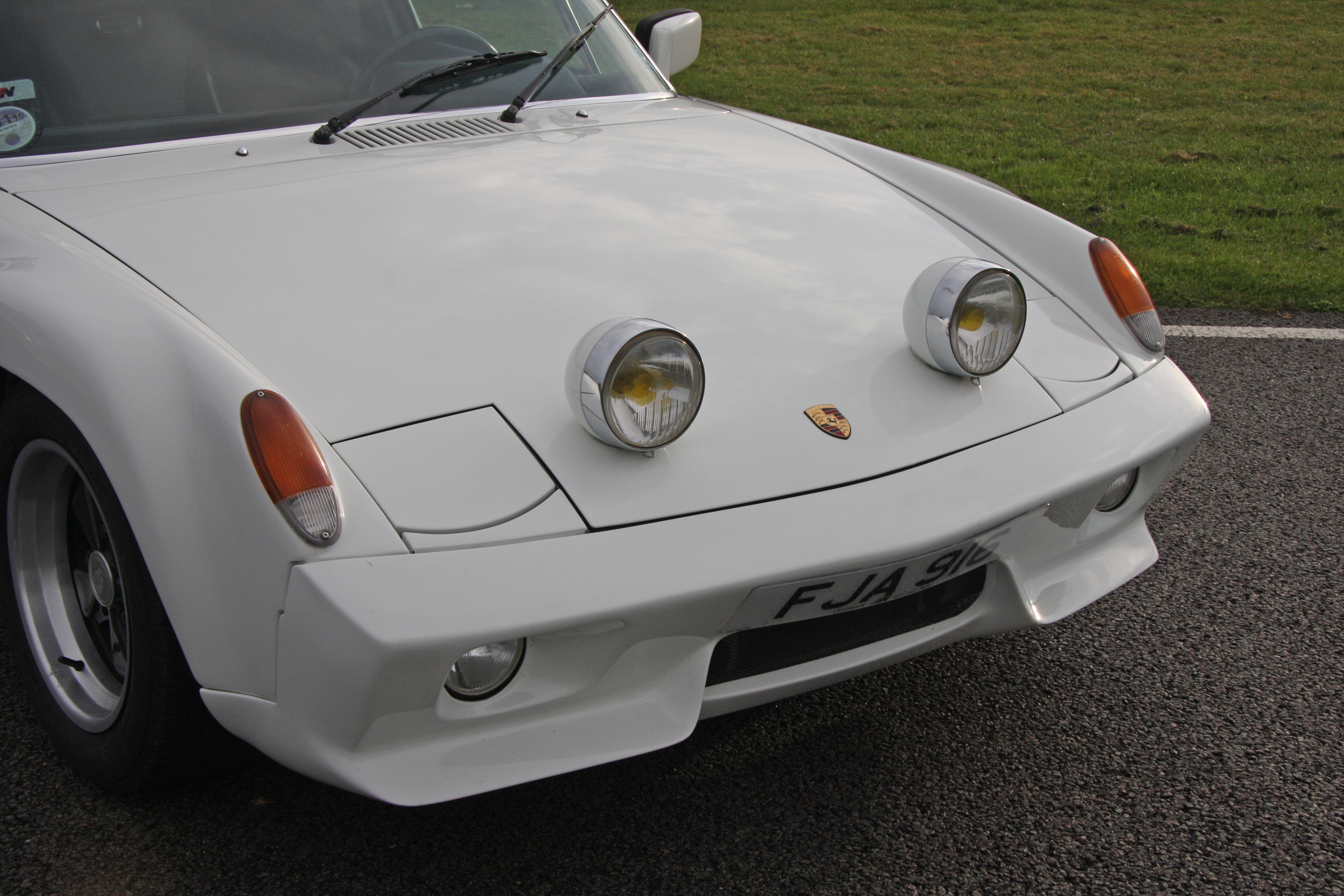
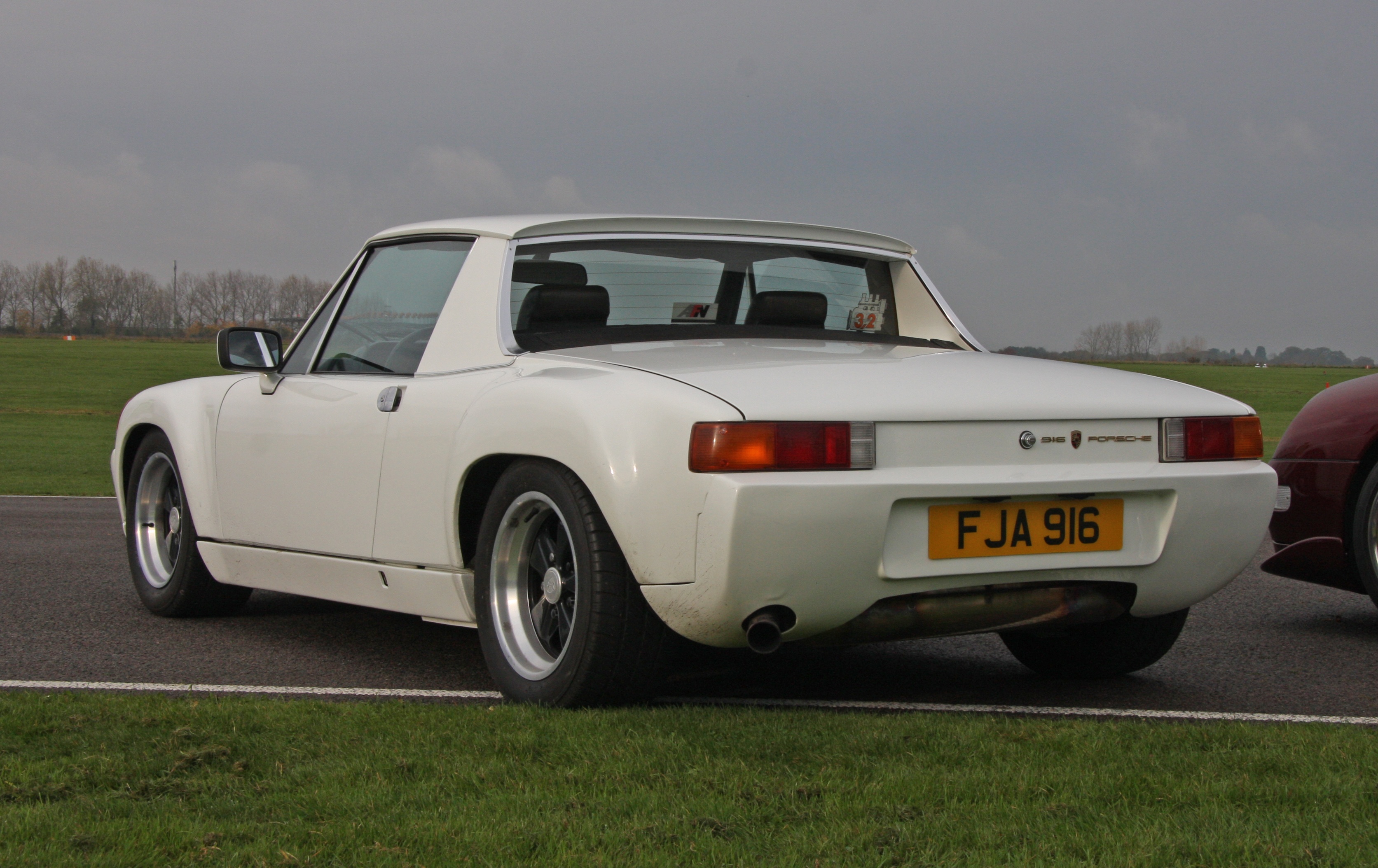
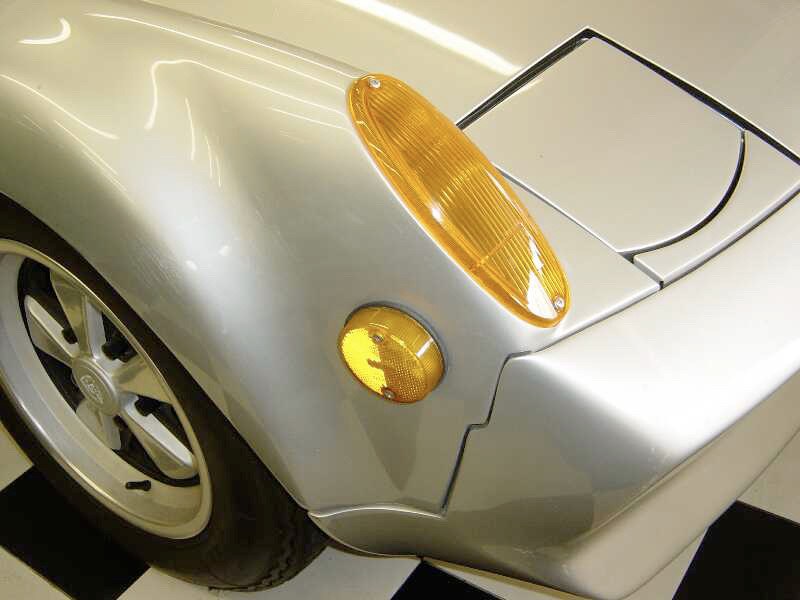
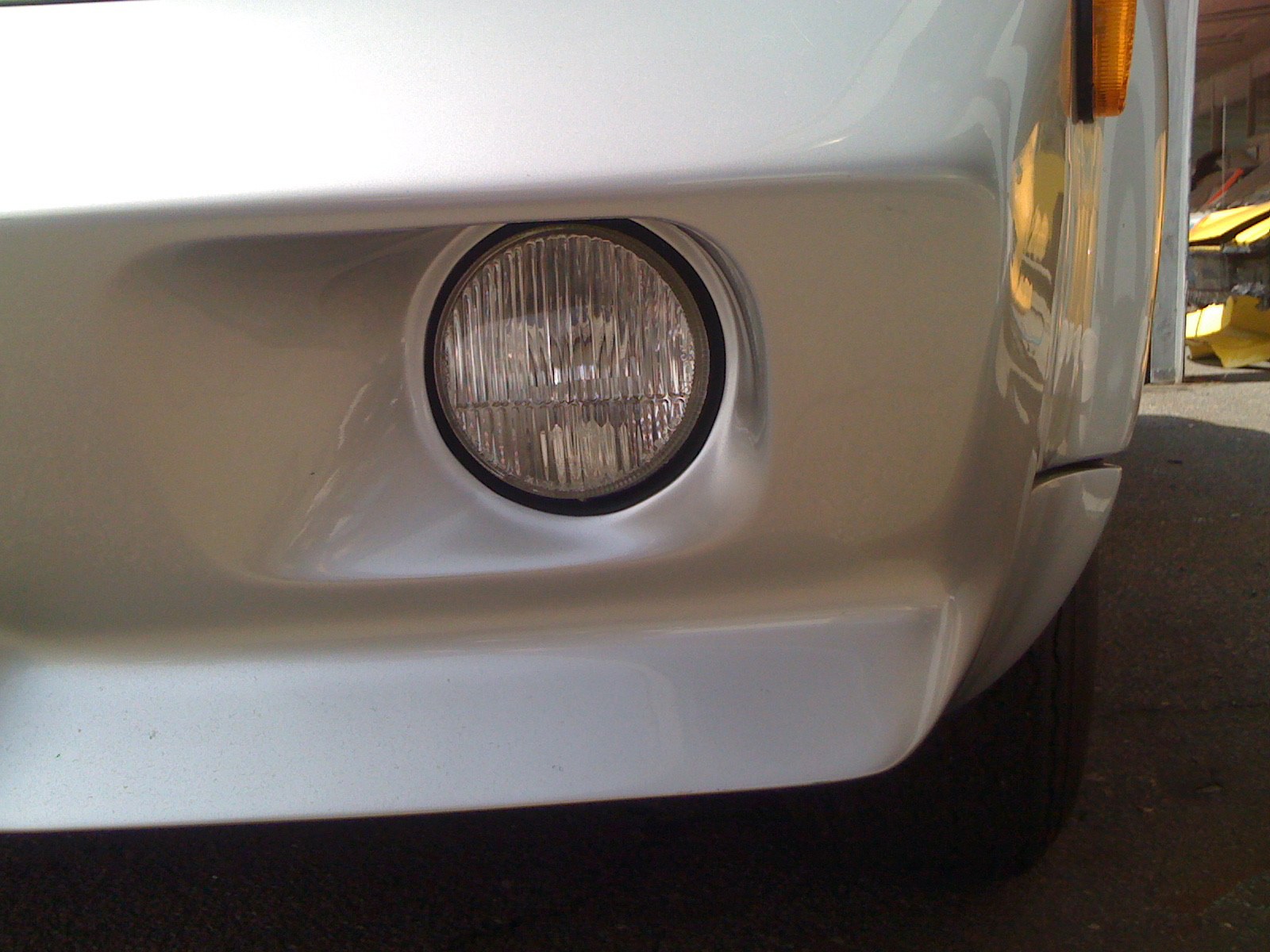
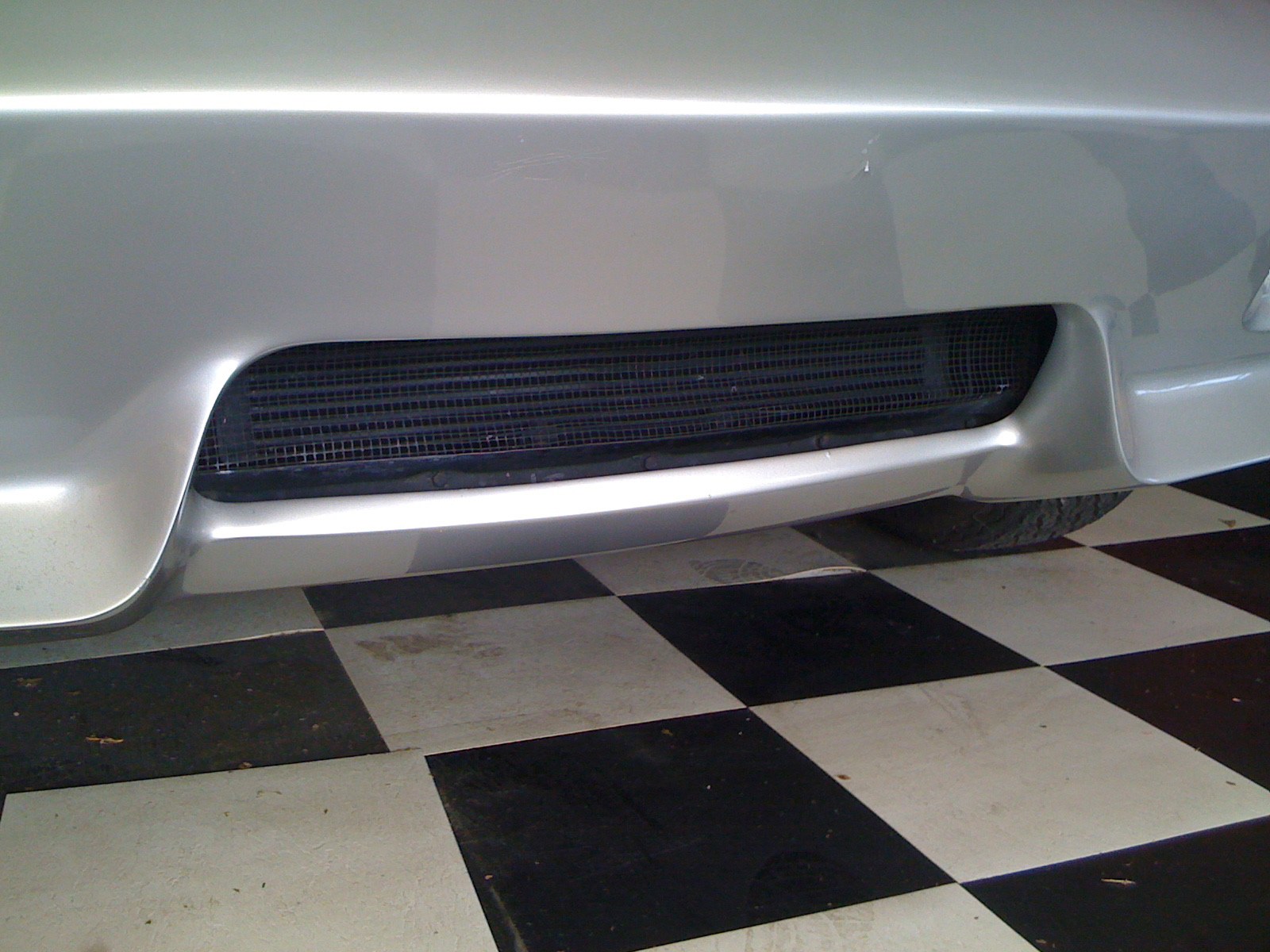
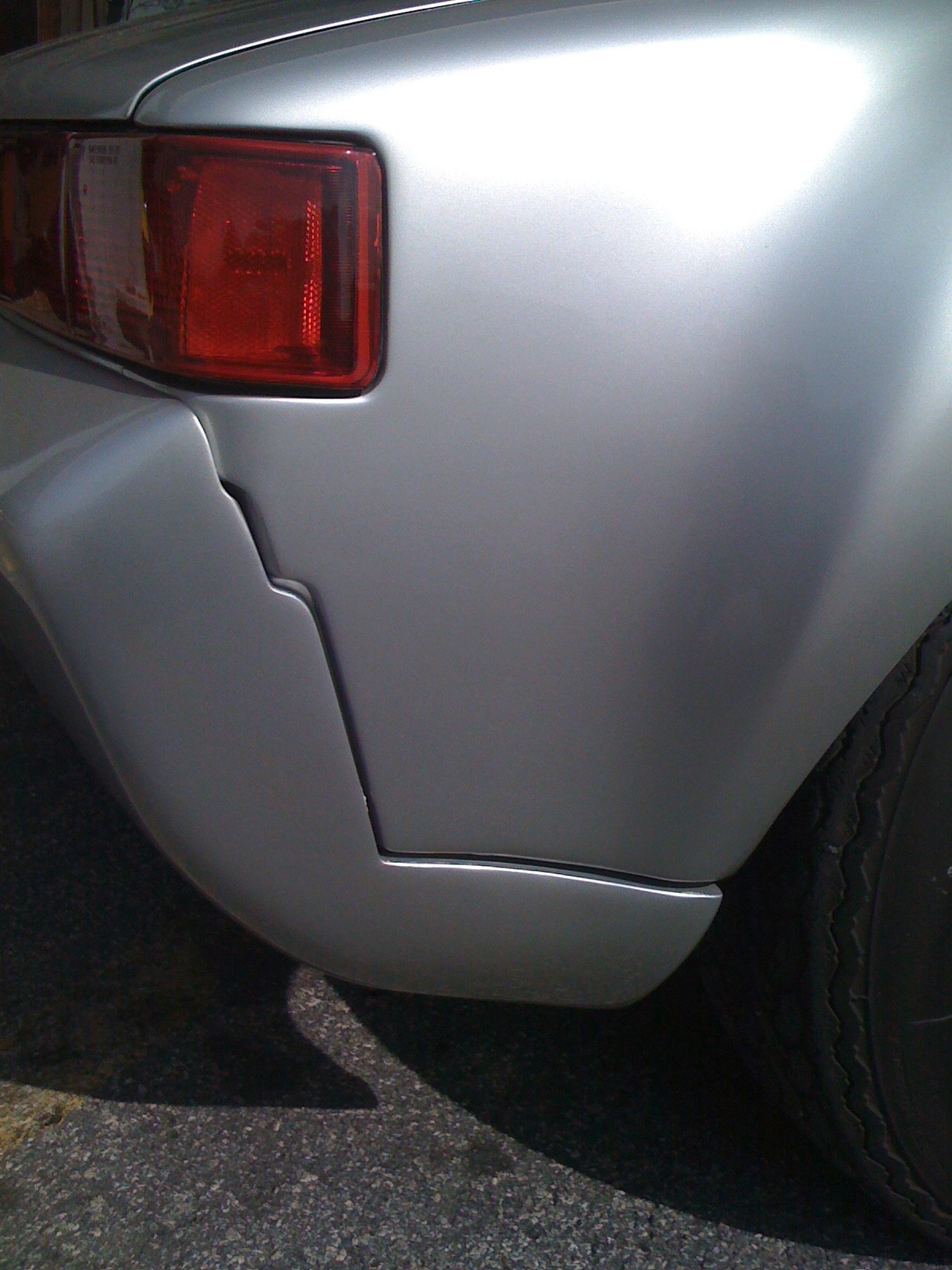
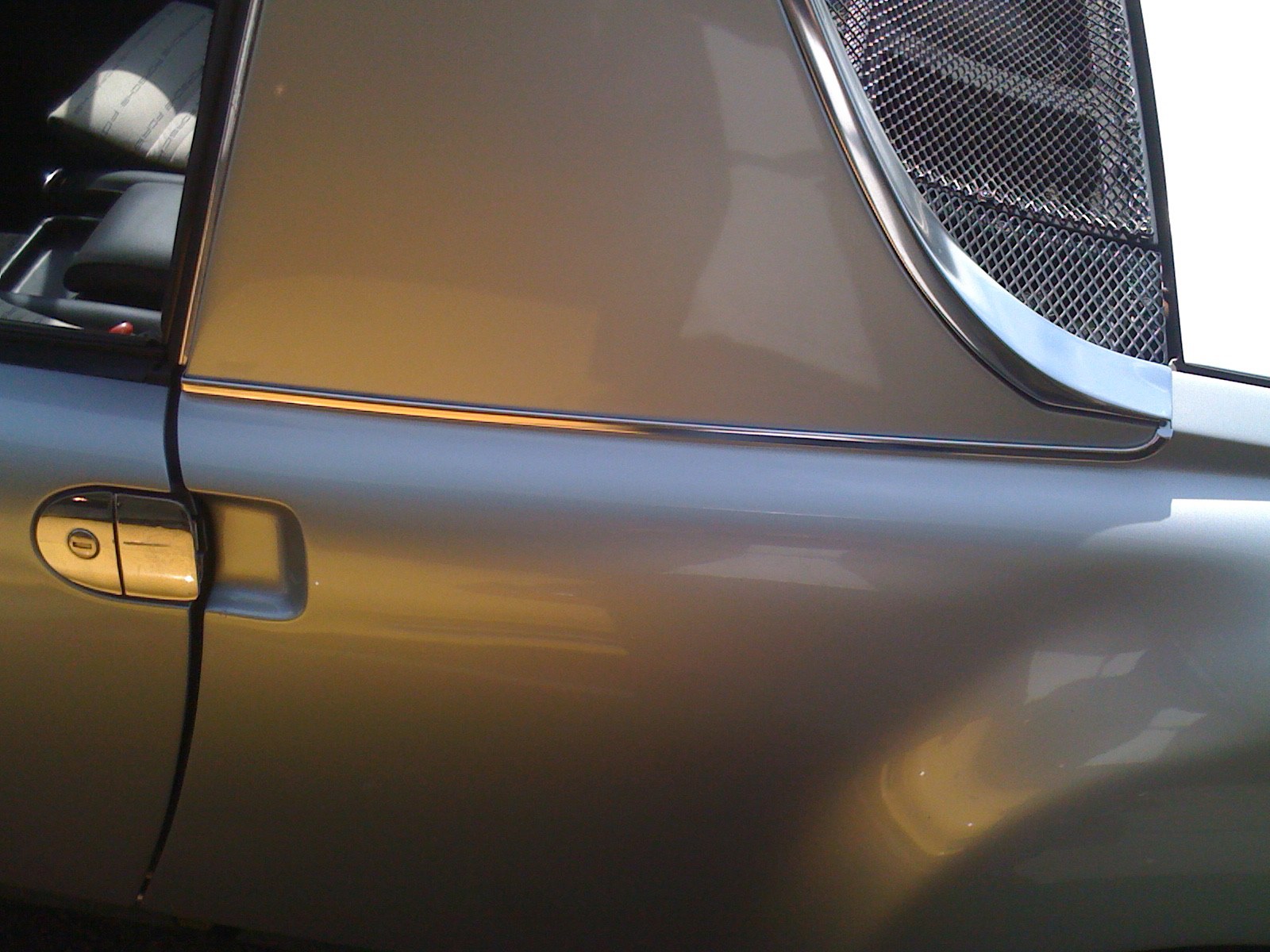
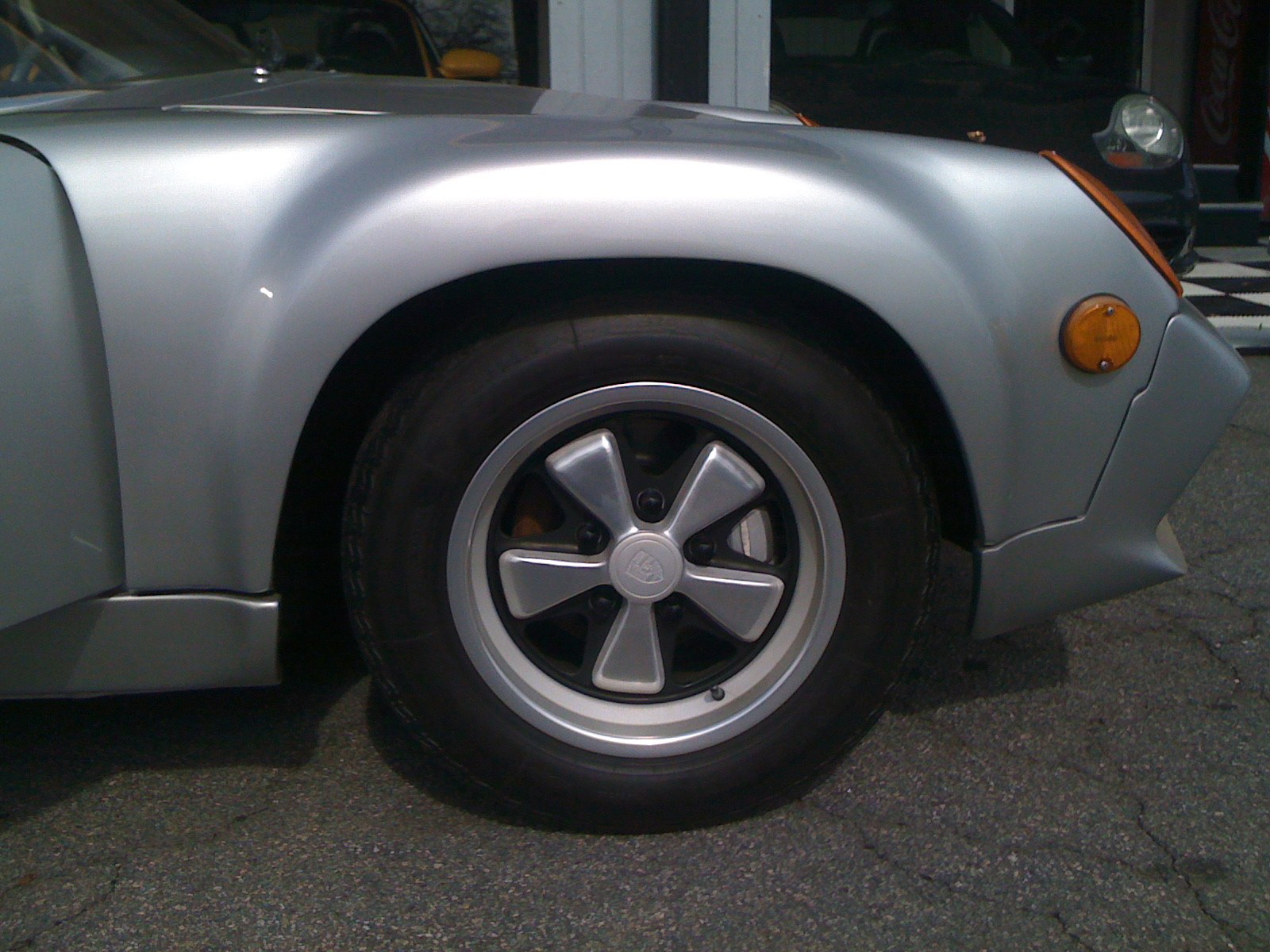
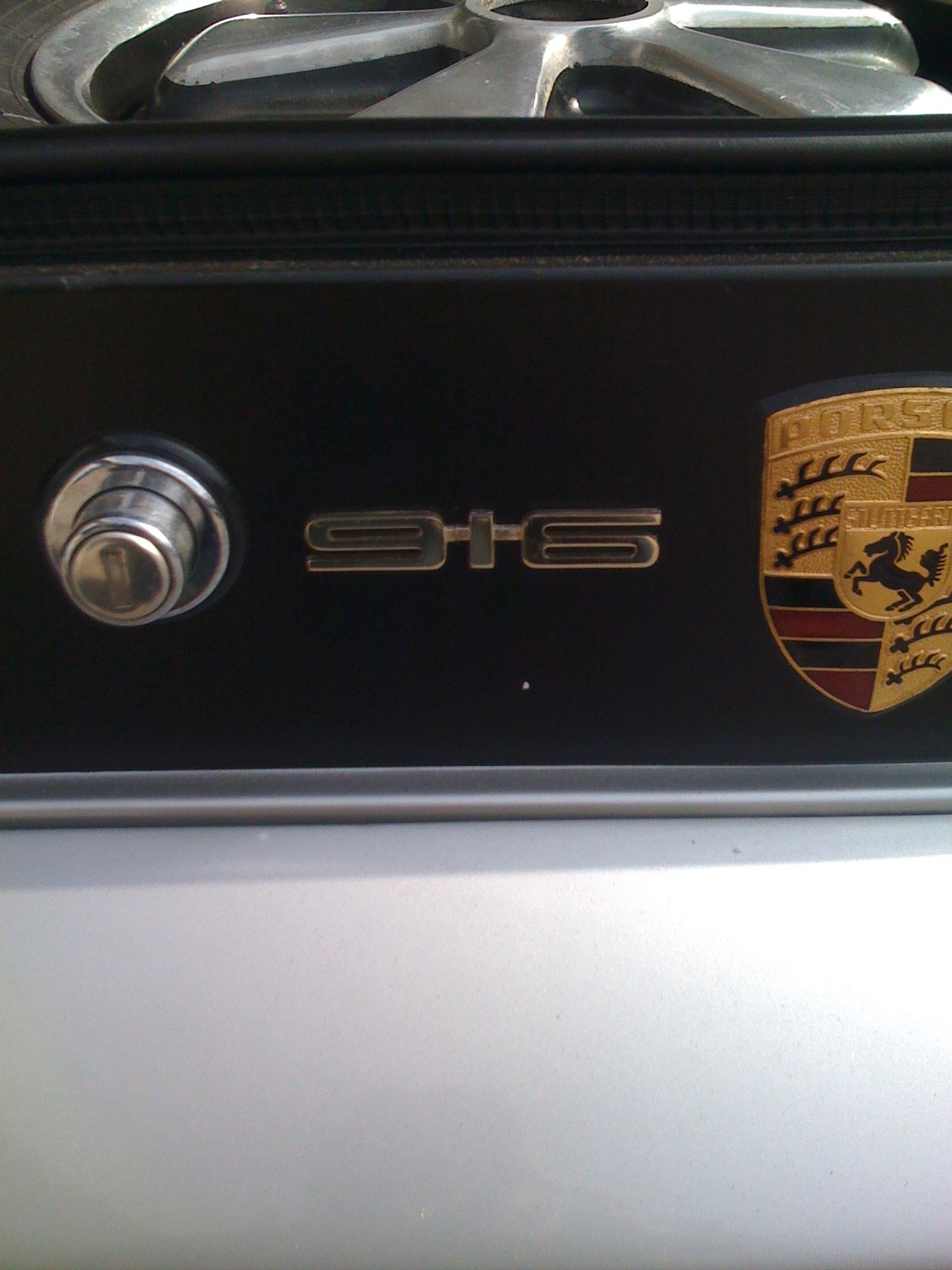
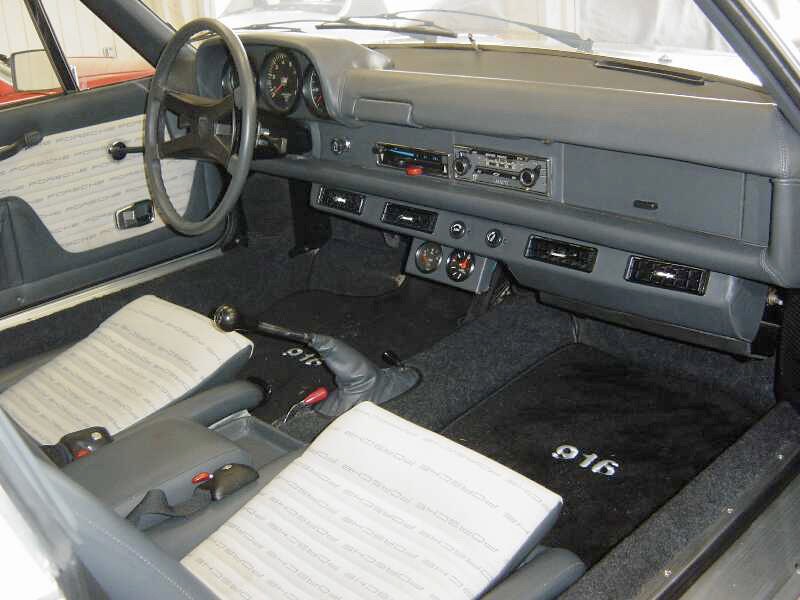
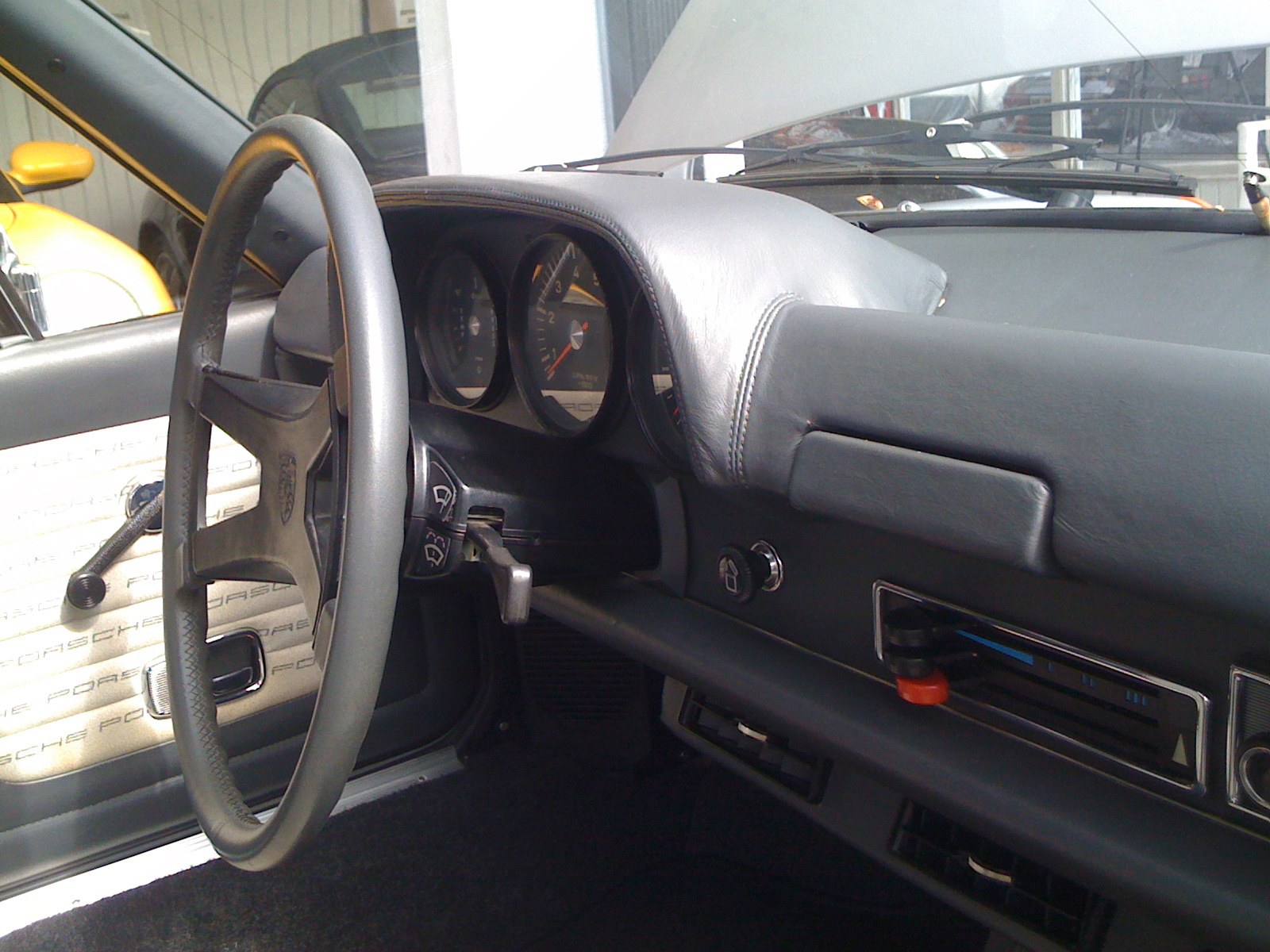
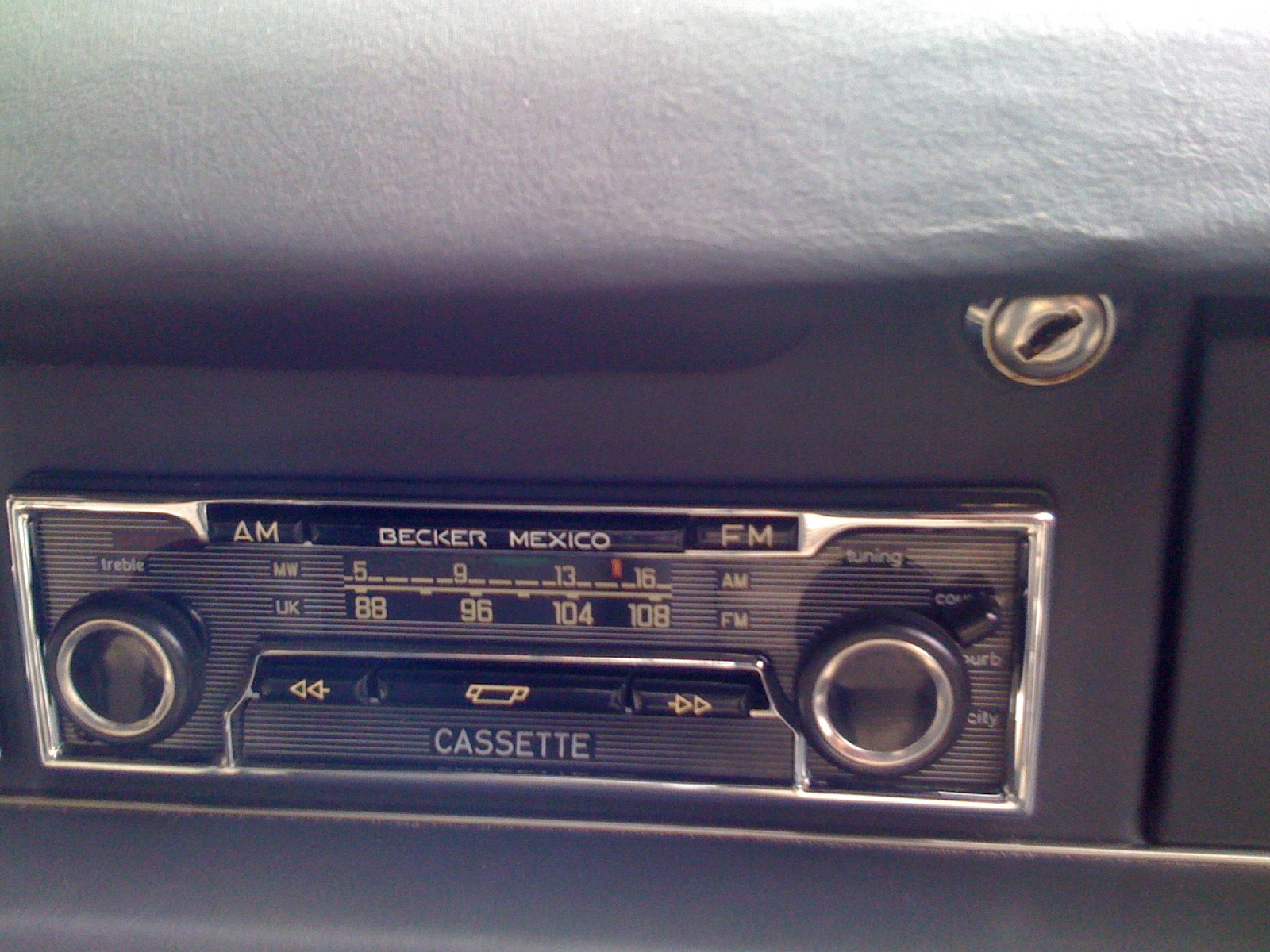
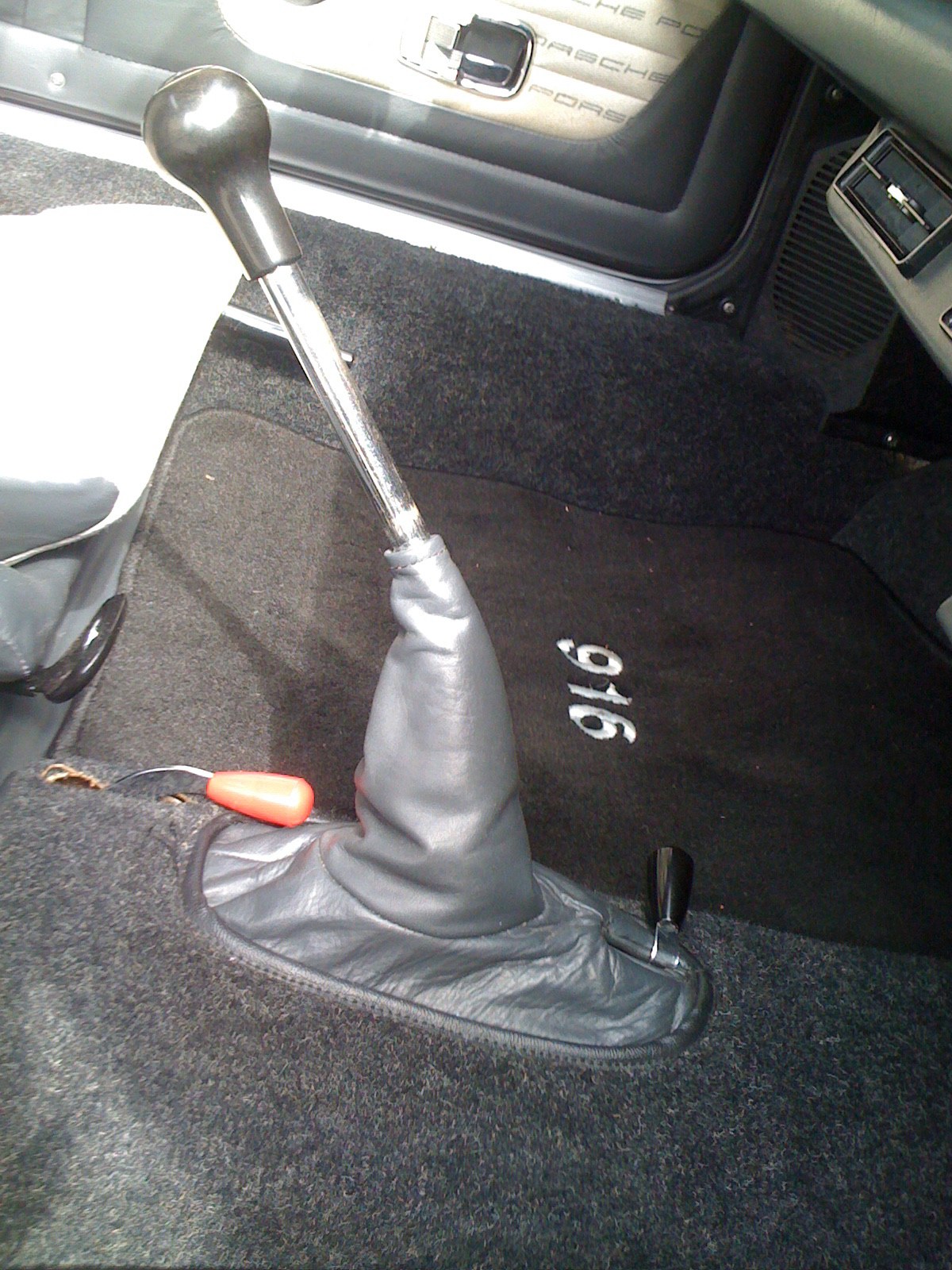
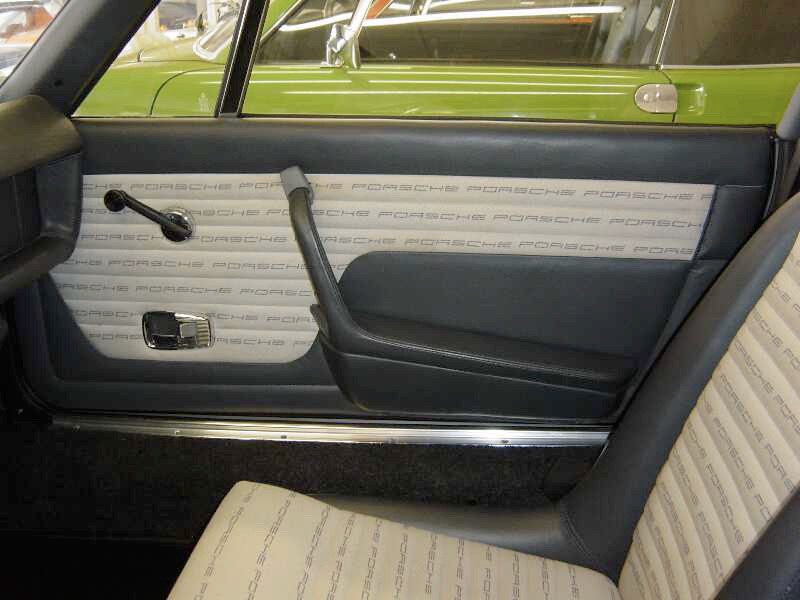
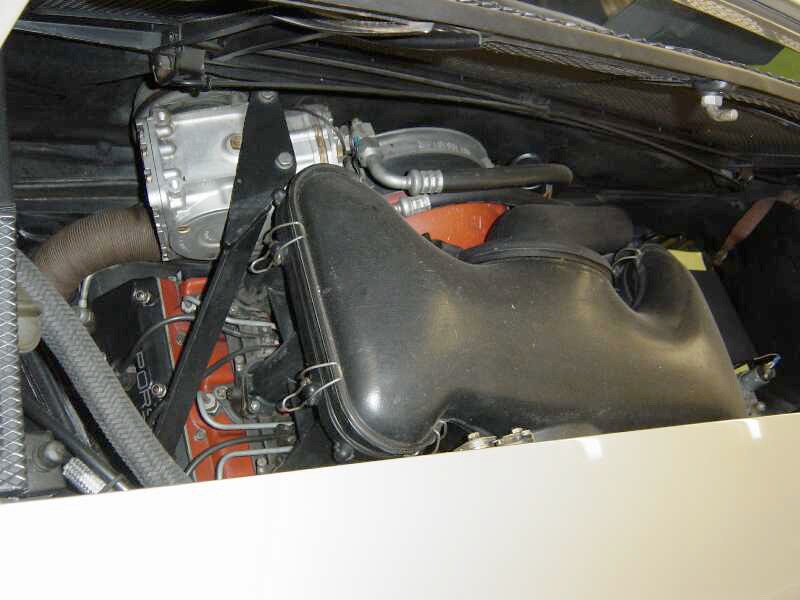
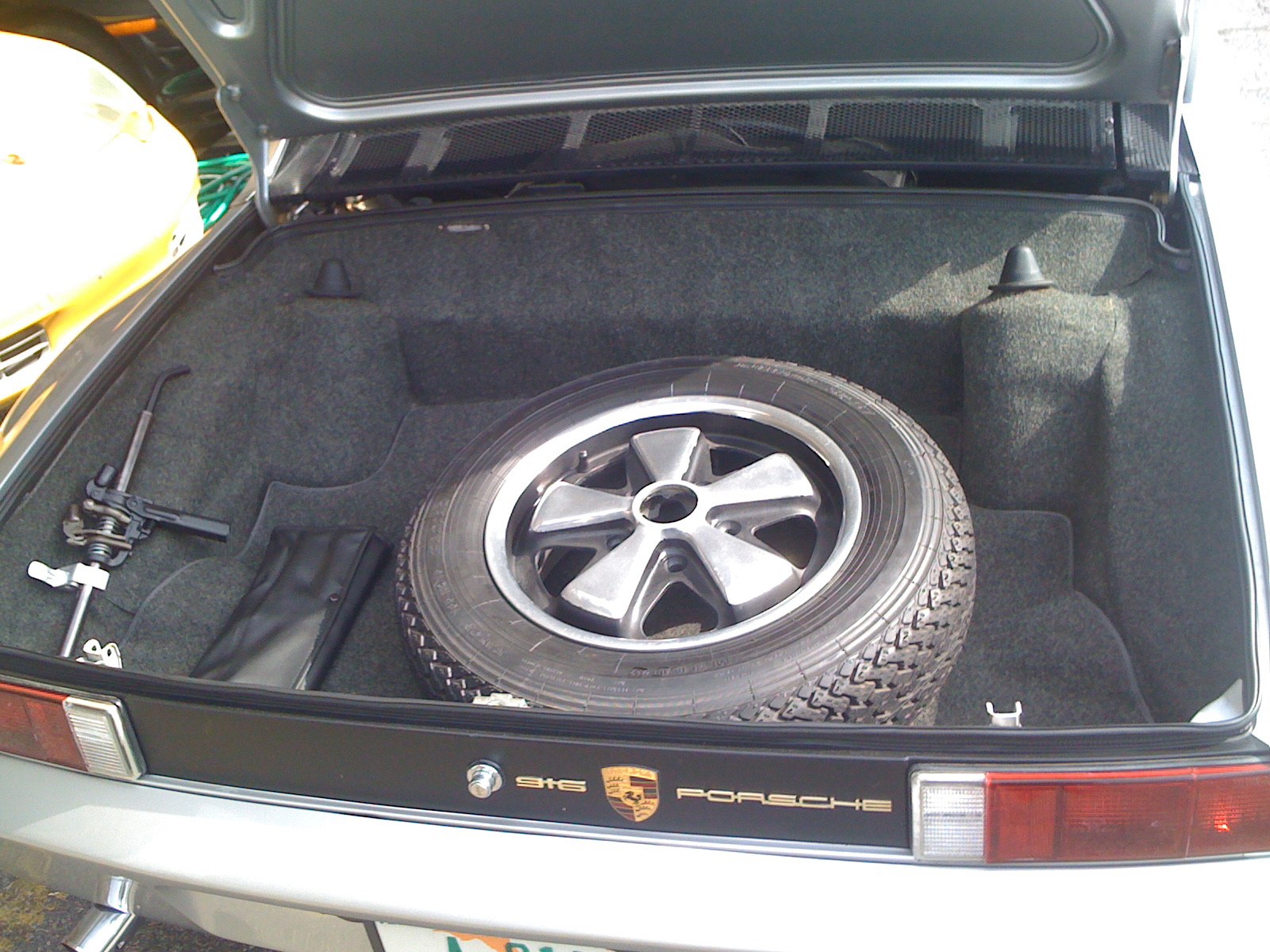
Detailed close-up photos of the factory Porsche 916 at George Hussey's Automobile Atlanta, taken by Vincente D'Ingianni. Hussey is a long-time 914 authority who also contributed his expertise to the restoration of Brutus.[5] The car is chassis 914 2 33 0012 in the registry above; most of these photos were taken there in February 2010.
Side profileFront three-quarterFrom the rearFront fender and indicatorFog light in the valanceFront valanceRear flareDoor and rear quarterWheel and flared arch916 script and crestInteriorDash and steering wheelBecker Mexico radioShifter and 916 floor matDoor panelEngineFront trunk and spareAutomobile Atlanta
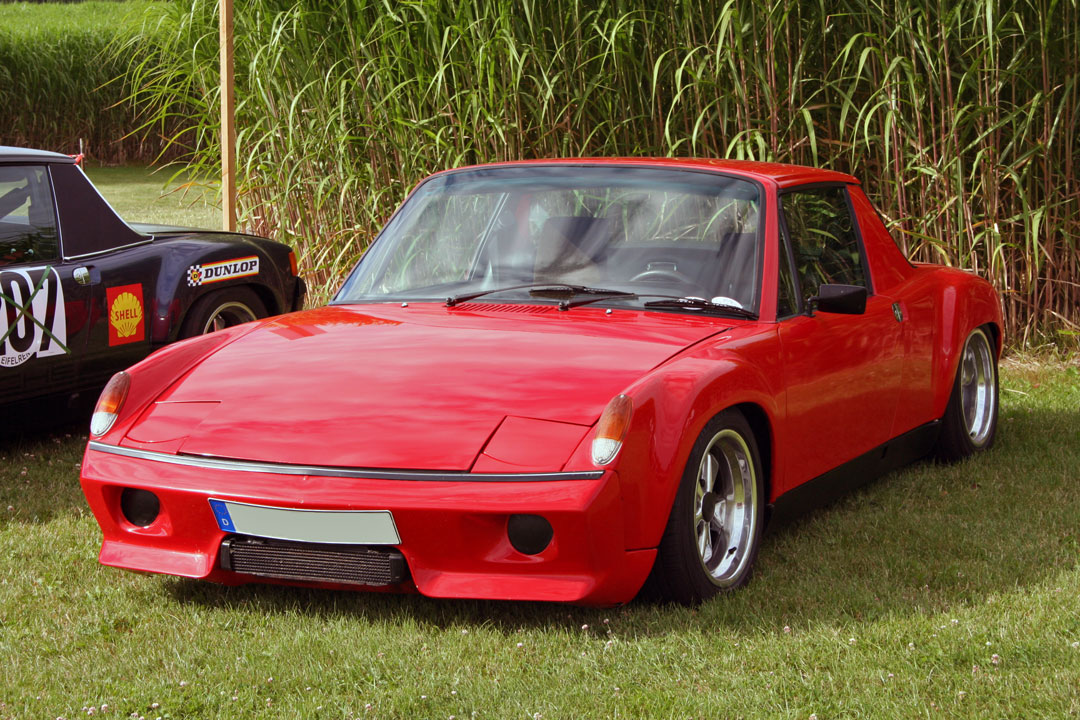
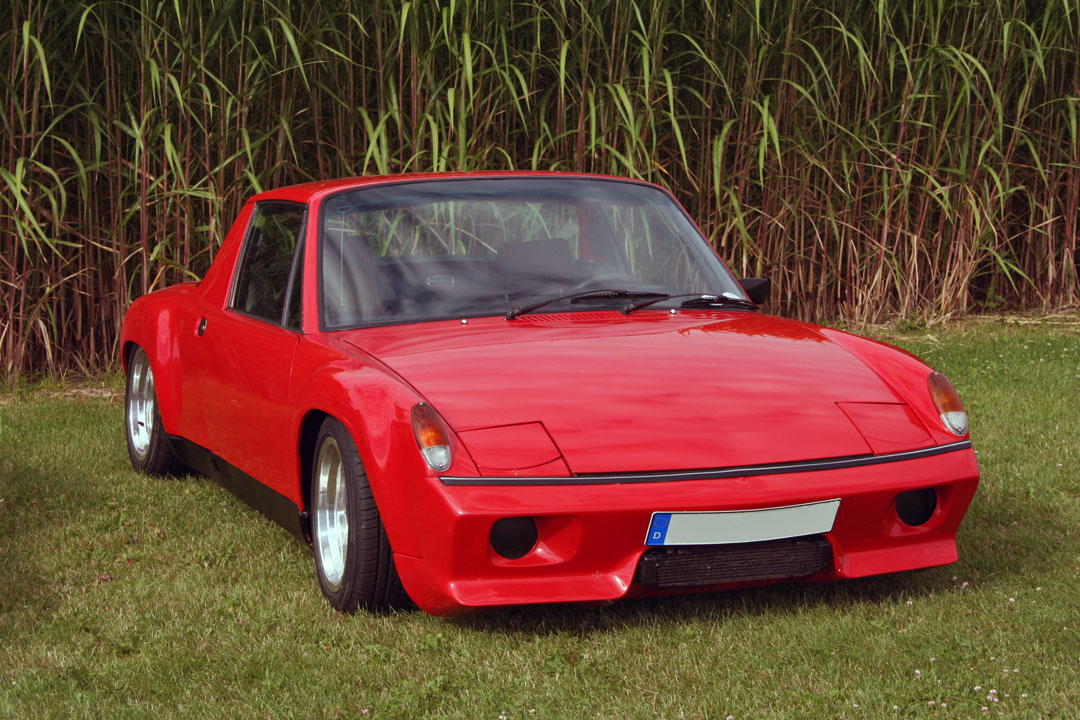
The D'Ingianni 916 is not one of the eleven factory cars. It is a 914-based replica: a 1974 914 rebuilt with the 916's looks and an upgraded Porsche drivetrain, using only Porsche parts or aftermarket additions which complement the original 916 design and style.
1985 3.2 Liter 911 engine with electronic fuel injection (Transplant)
Gearbox
915-type transmission converted for the mid engine
"Flipped" 901 five-speed with Quaife Limited-Slip Differential and hydraulic clutch
Brakes
911S calipers with vented discs
911 SC calipers and vented rotors in front; 914-6 rotors and 5-bolt conversion in rear
Wheels
7" Fuchs alloys
15"x7" Fuchs style alloys with polished spokes
Chassis
Floor reinforcements and welded roof for rigidity
GT Chassis, longitudinal and trailing arm strengthening kits (Tricks)
08From the original 916 Info page
This is the text originally published on this page. Some details differ from the sources below; for example, Porsche dates the eleven cars to 1971, and other sources report more than one car going to US dealers.[2][6]
In 1972, Porsche built 11 fantastic prototype cars known as the 916, targeted to compete in the market with the Ferrari Dino. The Porsche 916 was based on the chassis of the 914, but with a steel welded-on roof and floor reinforcements. Fuchs alloy wheels 7" wide were fitted inside flared arches reminiscent of the 914-6 GT racing prototypes. A new front air dam and rear shroud were blended to give the 916 a more aggressive style than the typical spartan 914. The suspension was updated to that of a 911S with stiffer springs, pressurized competition shocks, front and rear sway bars, and 4-wheel vented disc brakes. A 2.4 or 2.7 liter 911S engine was fitted to give this little Porsche a mighty 190 HP and a top speed of 145 mph (233 kph). With a total weight 165 lbs. under that of the 911S, the 916 became the fastest accelerating Porsche of its era with a 0 to 60 time under 7 seconds.
Only one original 916 was shipped to the US. It was destined for Brumos Porsche in Florida, where the hot climate demanded an A/C. This was the only 916 to leave the factory with an A/C.
916 Resources: The D'Ingianni Porsche 916. Registry photos are from the original site archive. Photos in “The Original 916s” are from Wikimedia Commons under the licenses shown with each photo. Porsche crest: image provided by Vincente D'Ingianni. The crest is a trademark of Dr. Ing. h.c. F. Porsche AG and is shown only to identify the car.